What Is the Tao?
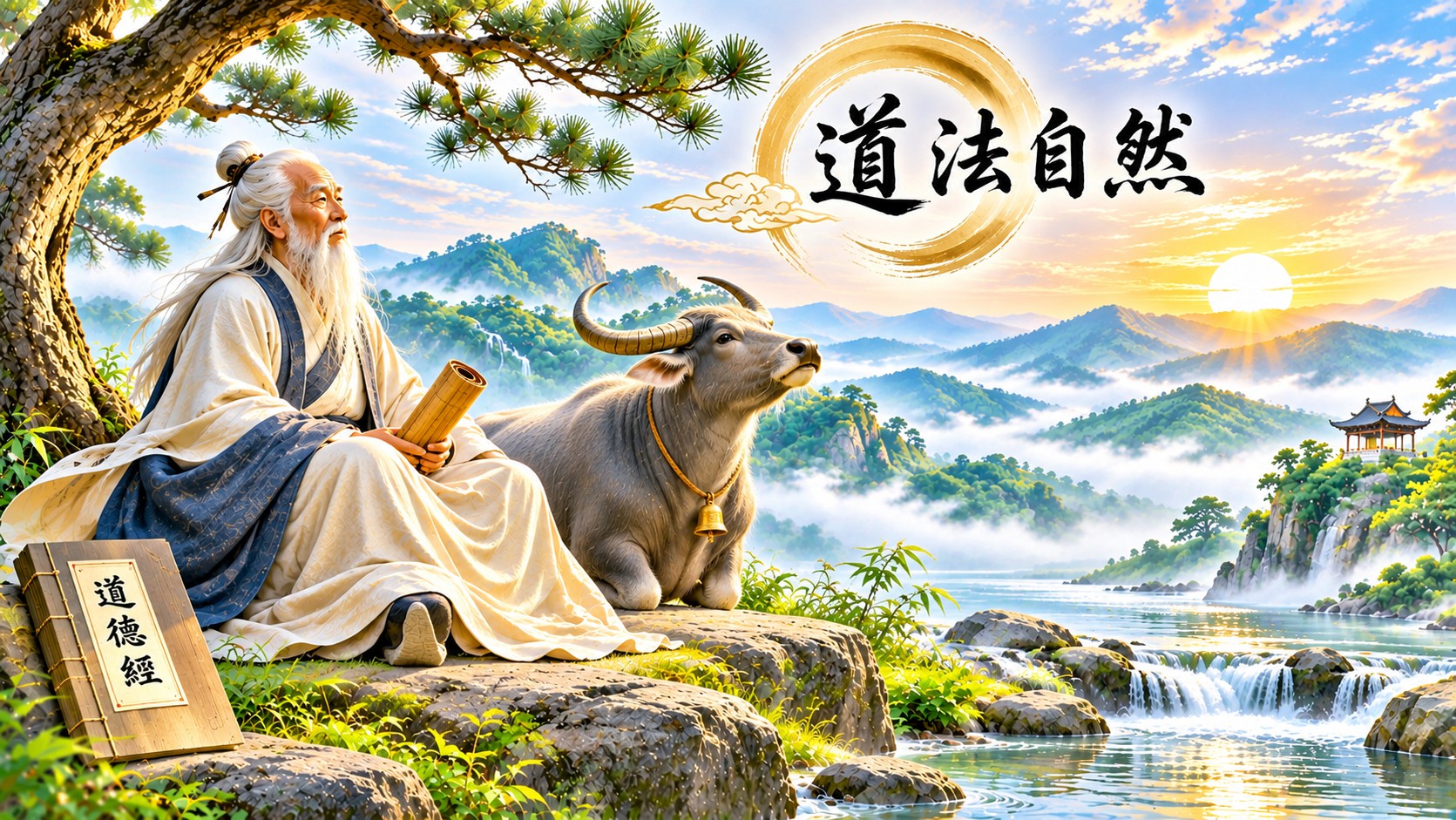
What Is the Tao?
Location: Dharma Rain Meditation Center
Date: Nov 14~15, 2026
Buddhist Teacher: Songhong MA(Susan)
Hello, everyone! Today, I would like to share with you the topic of “What Is the Tao?”At the very beginning of the Tao Te Ching, Lao Tzu wrote:“The Tao that can be spoken of is not the eternal Tao; the name that can be named is not the eternal name.”
Through the concept of the Tao, Lao Tzu describes the origin of all things in heaven and earth, the laws governing their movement, and the principles of nature.
So, what is the Tao?
The Tao refers to the fundamental principles and natural laws that govern the creation, existence, transformation, and return of all things in the universe. The Tao is not a physical object that can be seen with our eyes or touched with our hands. It has no visible form or shape, and it speaks no words. Yet, it allows all things in heaven and earth to follow their own nature and continue to flourish without end.
Lao Tzu said:“The highest goodness is like water. Water benefits all things and does not compete. It dwells in places that people dislike; therefore, it is close to the Tao.”
Water nourishes all living things without seeking recognition or reward. It flows to the lowest places, yet it can gather into mighty rivers. It is soft and gentle, yet over time, it can wear away even the hardest stone.
Through water, we can understand the wisdom of humility, tolerance, flexibility, and non-contention. Therefore, the Tao represents the laws of the universe and the principles of nature.
Lao Tzu also said:“Humanity follows the Earth. The Earth follows Heaven. Heaven follows the Tao. The Tao follows what is natural.”
These words teach us that true wisdom lies in understanding the laws of heaven and earth, respecting the principles of nature, and not using our personal desires to forcibly alter the natural course of things.
From the perspective of Buddhism, the Tao can be understood as the fundamental source and underlying principle of all things in the universe. Everything in this world follows its own natural laws. Flowers bloom and fade, the sun rises and sets, and all living beings experience birth, aging, sickness, and death. All these phenomena arise through causes and conditions.
Buddhism calls this the law of cause and conditions: all things come into existence through the coming together of causes and conditions, and cease to exist when those conditions change. Nothing can exist independently forever, nor can anything remain unchanged forever.
The Tao is the natural law of life. It is also the wisdom of awakening and the process of returning to our pure and original nature, allowing us to understand the true nature of life.
From the Buddhist perspective, the Tao also refers to the Path to Bodhi and the Path to Buddhahood. The Buddha taught that every sentient being has the potential to attain Buddhahood in the future. The prerequisite for attaining Buddhahood is cultivating the Path.
To cultivate the Path is to cultivate the mind.
The Tao arises from the mind. Our circumstances are transformed by the mind. Blessings are created by the mind, and our destiny is cultivated through the mind.
True spiritual cultivation is not about deliberately pursuing the mysterious, escaping from worldly life, or merely performing outward religious rituals such as burning incense, reciting sutras, sitting in meditation, or practicing contemplation.
Rather, it is about maintaining a pure, kind, sincere, and awakened heart amid the complexities and challenges of everyday life.
People often seek the Tao outside themselves. They seek guidance from spiritual masters, protection from deities, and favor from destiny. Yet, they rarely take the time to become still and ask themselves:
Is my heart pure and peaceful?
Are my thoughts upright and wholesome?
Do my words and actions reflect my conscience?
The mind is the starting point of all our actions and the root of our life circumstances.
One wholesome thought can bring warmth and comfort to others; one harmful thought can cause suffering to sentient beings.
One moment of attachment gives rise to worries and suffering; one moment of letting go brings freedom and peace.
One moment of greed makes the heart restless; one moment of contentment allows us to recognize that happiness is already before us.
The first step in spiritual cultivation is to understand our own mind.
When we recognize our greed, we must not allow it to control us.
When we recognize our anger, we must not let our anger hurt others.
When we recognize our attachments, we must not allow them to imprison our lives.
Being constantly aware of our thoughts and intentions is spiritual cultivation.
Remaining clear-minded in the face of desires is the practice of inner discipline.
Maintaining our true nature when faced with personal interests and benefits is the mark of genuine spiritual maturity.
Cultivating the Tao is not about changing other people, but about transforming ourselves. It is not about demanding that the world conform to our wishes, but about gradually aligning our minds with the natural order of heaven and earth, following the laws of the universe and respecting the principles of nature.
Those who cultivate the Tao should first refrain from evil, cultivate virtue, and practice goodness.
Virtue is the root of a person.
Kindness is the light within a person.
Sincerity is the foundation of a person.
Humility is a person’s spiritual elevation.
The Tao has no visible form or shape, yet it permeates everything in heaven and earth.
The mind has no fixed form, yet it can reflect the countless aspects of human life.
When the mind is upright, our actions become upright.
When the mind is kind, our actions become kind.
When the mind is clear, we are no longer lost in confusion.
When the mind is open and broad, the road ahead becomes wider.
Life itself is a journey of spiritual cultivation, and everyday life is the best place to practice the Tao.
In our daily practice, we should constantly observe our thoughts, speech, and actions. We should not become attached to deluded thoughts. Instead, we should cultivate ourselves in the present moment, treat all sentient beings with kindness, respect nature, and remain mindful of the law of cause and effect.
Let us observe the world with a pure mind, face life with an ordinary and peaceful heart, treat all sentient beings with compassion, and walk the righteous path with unwavering determination.
Cultivate the mind inwardly, for the Tao arises from the mind. Let the light of our true nature shine forth, attain the Path to Buddhahood, and return to our original source.
Namo Amitabha Buddha!
2026-11-14 Susan MI



