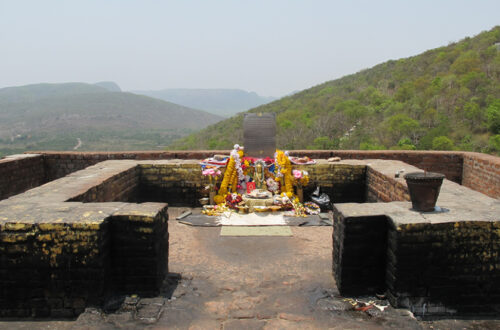
Indian Pilgrimage Trip 5th
-
Day 6:Kushinagar
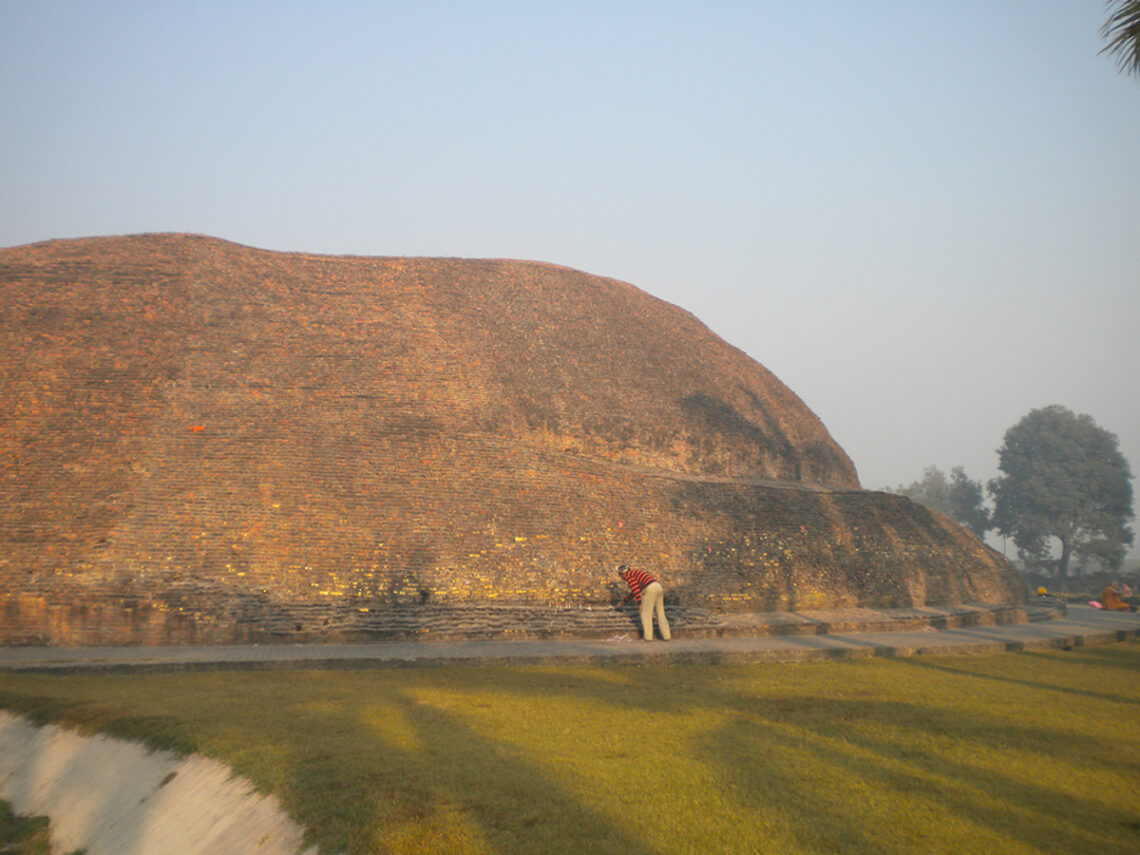
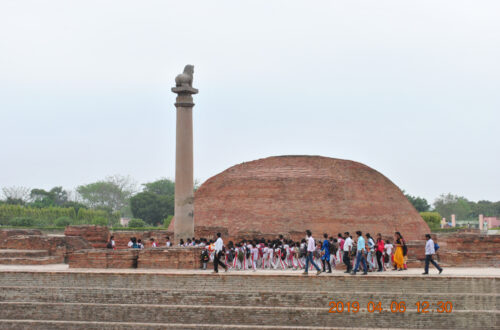
Travel Date:November 29, 2012 Ramabhar Stupa The Ramabhar Stupa, located in Kushinagar, Uttar Pradesh, India, is a renowned Buddhist site. According to Buddhist scriptures, this stupa marks the place where Siddhartha Gautama, the Buddha, was cremated after attaining Mahaparinirvana. Following his cremation, the Buddha’s relics were distributed among eight kingdoms for veneration, and the Ramabhar Stupa is believed to be the exact location of the cremation.Standing approximately 15 meters tall, the stupa was historically a flourishing center for pilgrimage. The name “Ramabhar” may be derived from local traditions or geographical features. Today, it serves as an important pilgrimage site for Buddhists, attracting devotees and visitors from around the world.The Ramabhar…
-
Day 7: Lumbini – Kapilavastu
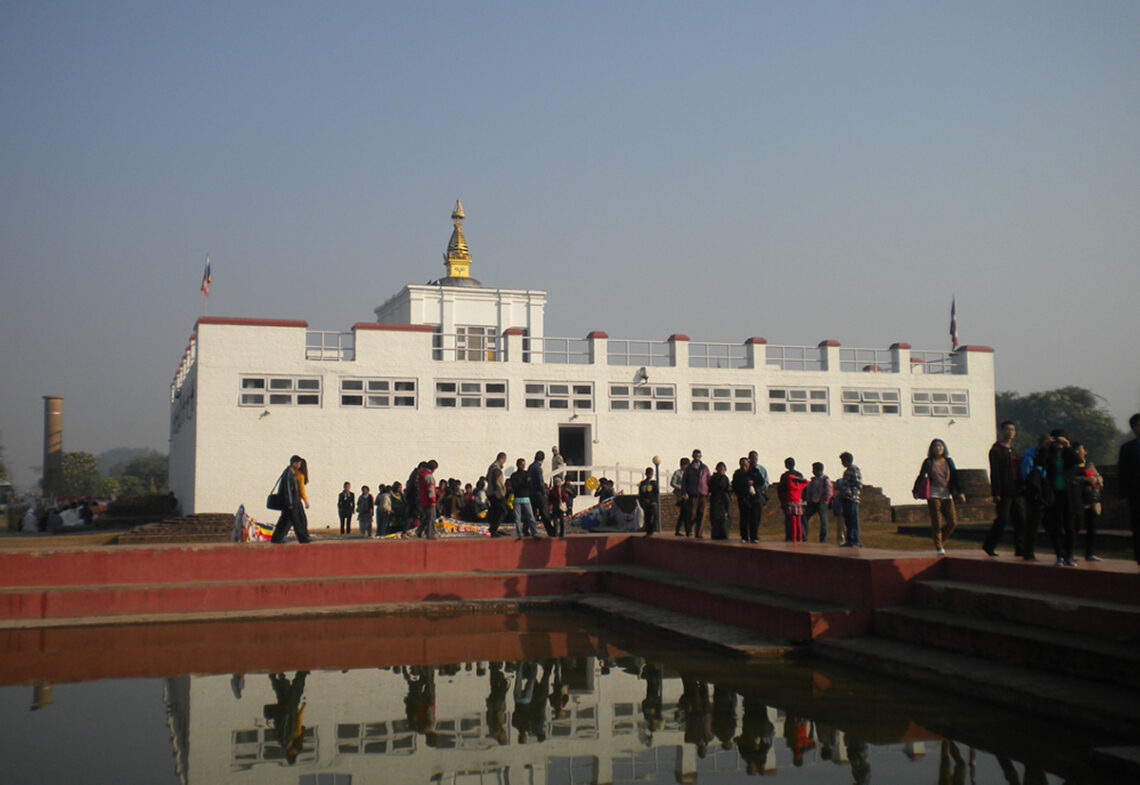
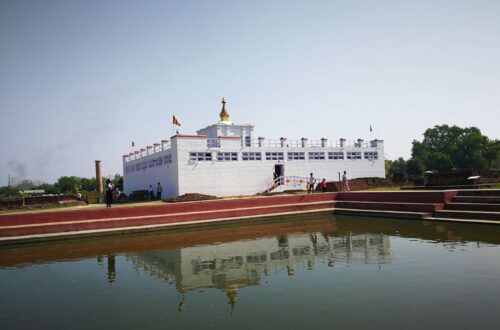
Travel Date: November 30, 2012 Lumbini Lumbini, located in southern Nepal, is the birthplace of Siddhartha Gautama, the Buddha, and one of the Four Great Buddhist Holy Sites. According to Buddhist scriptures, Buddha was born here in 623 BCE under a sal tree while Queen Maya was strolling in the garden. Lumbini holds immense religious and historical significance as the origin of Buddhist faith.Key attractions in Lumbini include:Maya Devi Temple,Ashoka Pilla,Sacred Pond.Lumbini is recognized as a UNESCO World Heritage Site, drawing countless Buddhist devotees and visitors for pilgrimage and reflection. It stands as a vital symbol of global Buddhist culture. 蓝毗尼 蓝毗尼(Lumbini)位于现今尼泊尔南部,是释迦牟尼佛的诞生地,也是佛教的四大圣地之一。根据佛教经典记载,公元前623年,释迦牟尼佛在此诞生于摩耶夫人游园时所靠近的一棵娑罗树下。蓝毗尼因佛陀的诞生而成为佛教信仰的发源地,拥有极高的宗教和历史价值。蓝毗尼的主要景点包括:摩耶夫人庙、阿育王石柱、圣池。蓝毗尼现已被联合国教科文组织列为世界文化遗产,吸引着无数佛教信徒和游客前来朝圣与瞻仰,是世界佛教文化的重要象征之一。 Kapilavastu Kapilavastu, an ancient city in northern India(Located…
-
Day 8:Jetavana Monastery
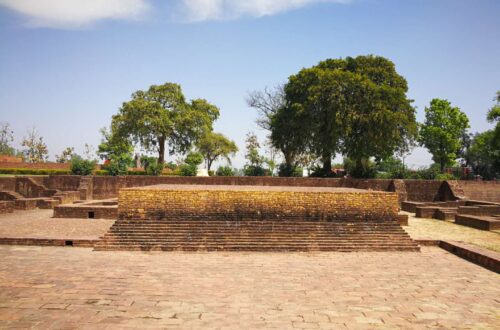
Travel Date:December 1, 2012 Jetavana Monastery Jetavana Monastery, formally known as Jetavana Anathapindika Arama, was the first officially established Buddhist monastic community in history. Located in the ancient city of Shravasti (present-day Uttar Pradesh, India), it was built on land purchased by the wealthy benefactor Anathapindika (Sudatta) from Prince Jeta, hence its name. Jetavana Monastery was one of the most frequented and long-lasting places where Buddha taught, with many significant scriptures, such as the Diamond Sutra and Lotus Sutra, being expounded here. Jetavana served not only as a residence and teaching center for Buddha but also as a crucial base for the Sangha to practice, observe monastic discipline, and spread…
-
Day 9:National Museum of India
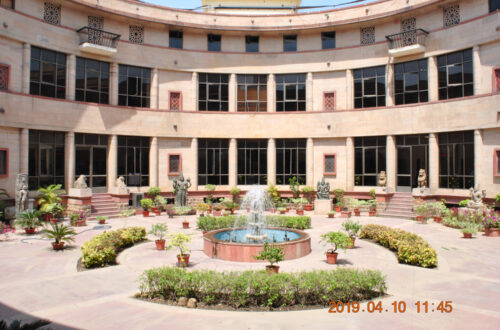
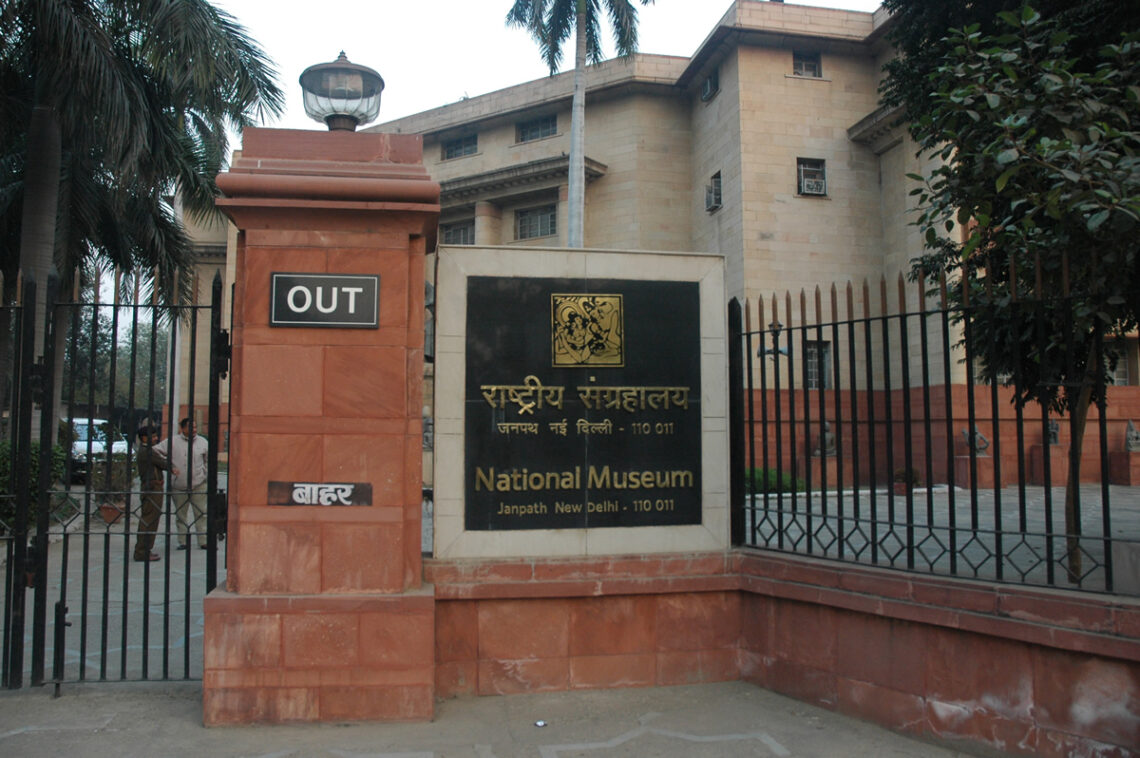
Travel Date:December 2, 2012 National Museum of India The National Museum of India, located in New Delhi, is one of the largest and most significant museums in India. Established in 1949, the museum houses an extensive collection of artifacts and artworks spanning from prehistoric times to the modern era, showcasing India’s rich history, culture, religion, and art. Key exhibits include:1. Buddhist Artifacts: Displays of Buddha statues, stupa models, and significant relics related to the spread of Buddhism.2. Harappan Civilization Artifacts: Items and carvings from the Indus Valley Civilization, reflecting the splendor of ancient Indian culture.3. Classical Indian Art: A collection of exquisite sculptures, paintings, textiles, and rare manuscripts.The National Museum…
-
Day 10: The Capital of India – New Delhi
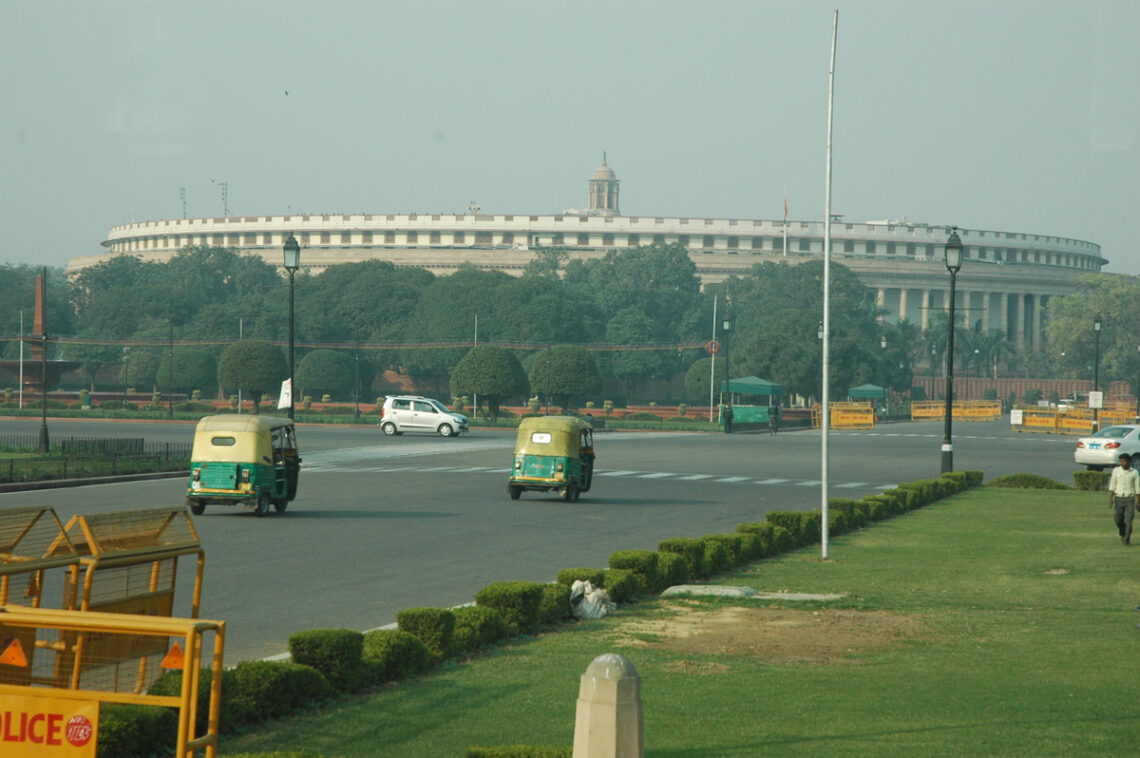
Travel Date: December 3, 2012 The Capital of India: New Delhi New Delhi is the capital of India, located in the northern part of the country within the National Capital Territory of Delhi (NCT of Delhi). As the political center of India, New Delhi is home to the central government, including the Presidential Residence, Prime Minister’s Office, Parliament House, and the Supreme Court. New Delhi was planned and constructed in 1911 by the British colonial government to replace Kolkata as the capital of India. The city was designed by British architects Edwin Lutyens and Herbert Baker, blending European classical architectural styles with traditional Indian elements. As a cultural and economic…