-
Dharma Rain Meditation Center
Date:2026-03-08 Post Views: 174
-
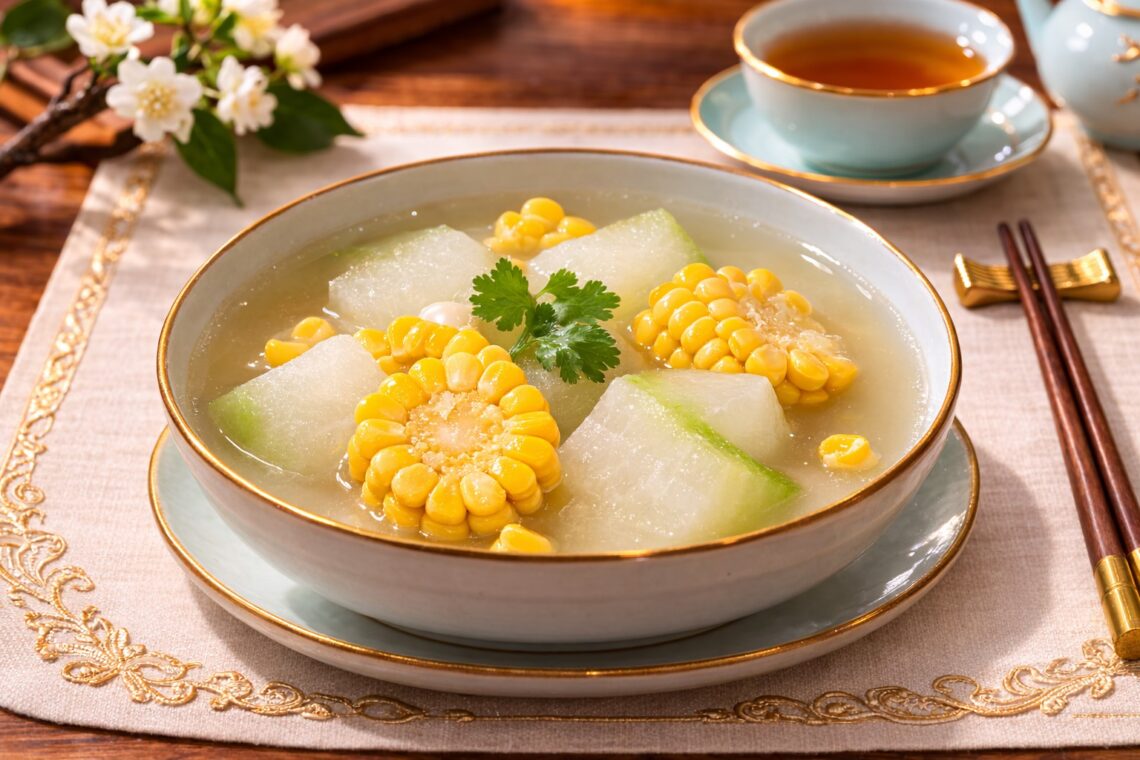
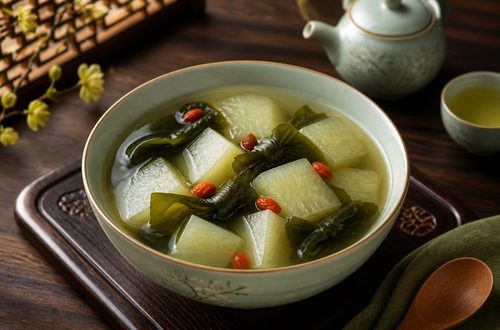
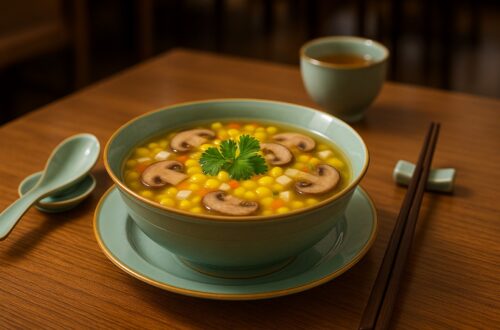
Weekly Buddhist Diet: Winter Melon and Corn Soup
Weekly Buddhist Diet: Winter Melon and Corn Soup First week of March 2026 Summary: Winter Melon and Corn Soup is a light and refreshing vegetarian soup known for its naturally sweet and soothing flavor. Tender winter melon pieces become soft and delicate during simmering, while corn releases a gentle sweetness that enriches the broth. The combination produces a clear and comforting soup that is perfect for everyday meals. Winter melon is rich in water and dietary fiber, helping support digestion and hydration. Corn provides carbohydrates, vitamins, and minerals that contribute energy and nourishment. By simmering the ingredients slowly, the soup develops a natural sweetness without requiring heavy seasoning. Simple, wholesome,…
-
Dharma Rain Meditation Center
Date:2026-02-28 Post Views: 108
-
Dharma Rain Meditation Center
February 23, 2026 Post Views: 159
-
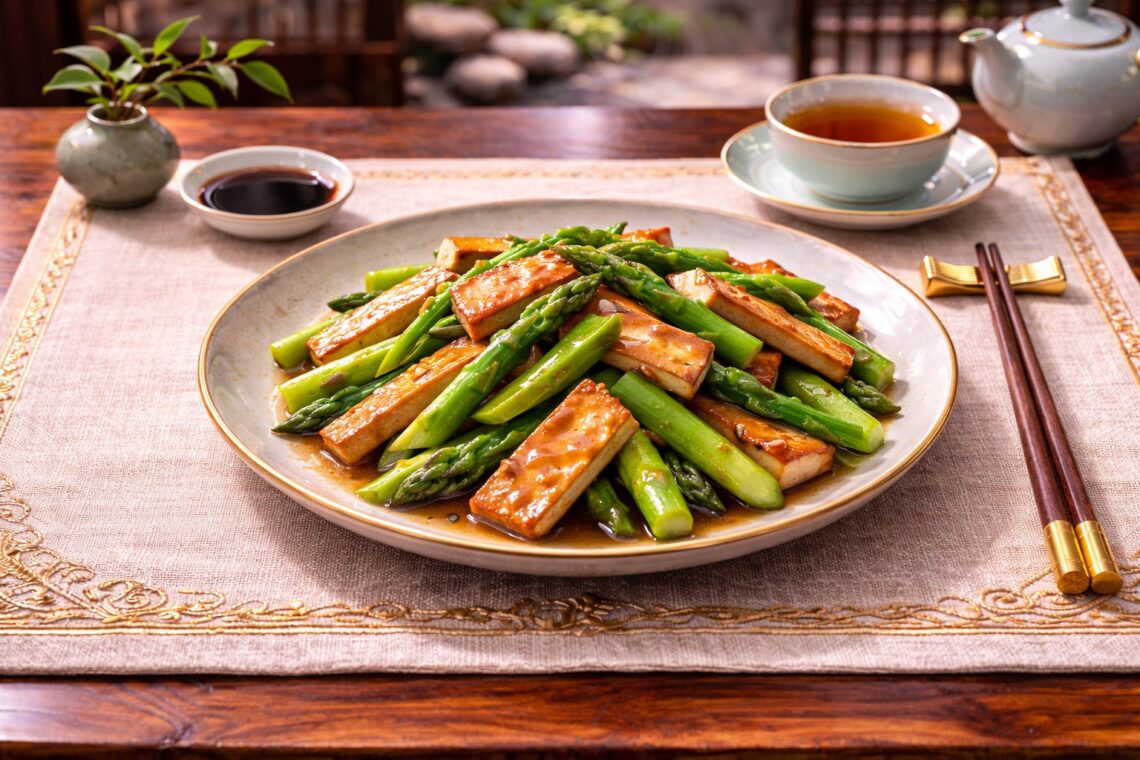
Weekly Buddhist Diet: Stir-Fried Asparagus with Braised Tofu
Weekly Buddhist Diet: Stir-Fried Asparagus with Braised Tofu Week 4 February,2026 Summary: Stir-Fried Asparagus with Braised Tofu is a fresh and nutritious spring vegetarian dish combining crisp asparagus with savory braised tofu. Asparagus offers a naturally sweet flavor and tender texture, while braised tofu adds a rich soy aroma and satisfying bite. When stir-fried together, the vegetables remain vibrant and crunchy, while the tofu absorbs the seasoning and develops deeper flavor. The combination creates a balanced dish that is light yet satisfying. Asparagus is well known for its high fiber content, folate, and vitamins, making it a popular vegetable in springtime cuisine. Tofu provides plant-based protein and essential minerals, making…
-
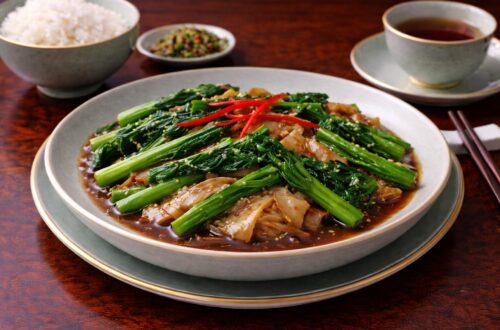
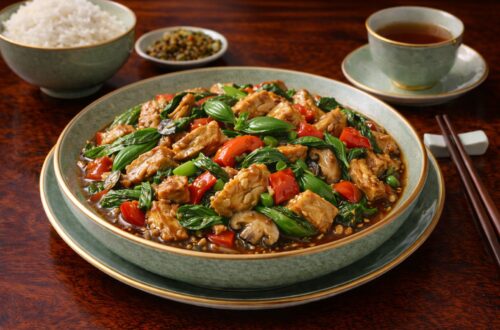
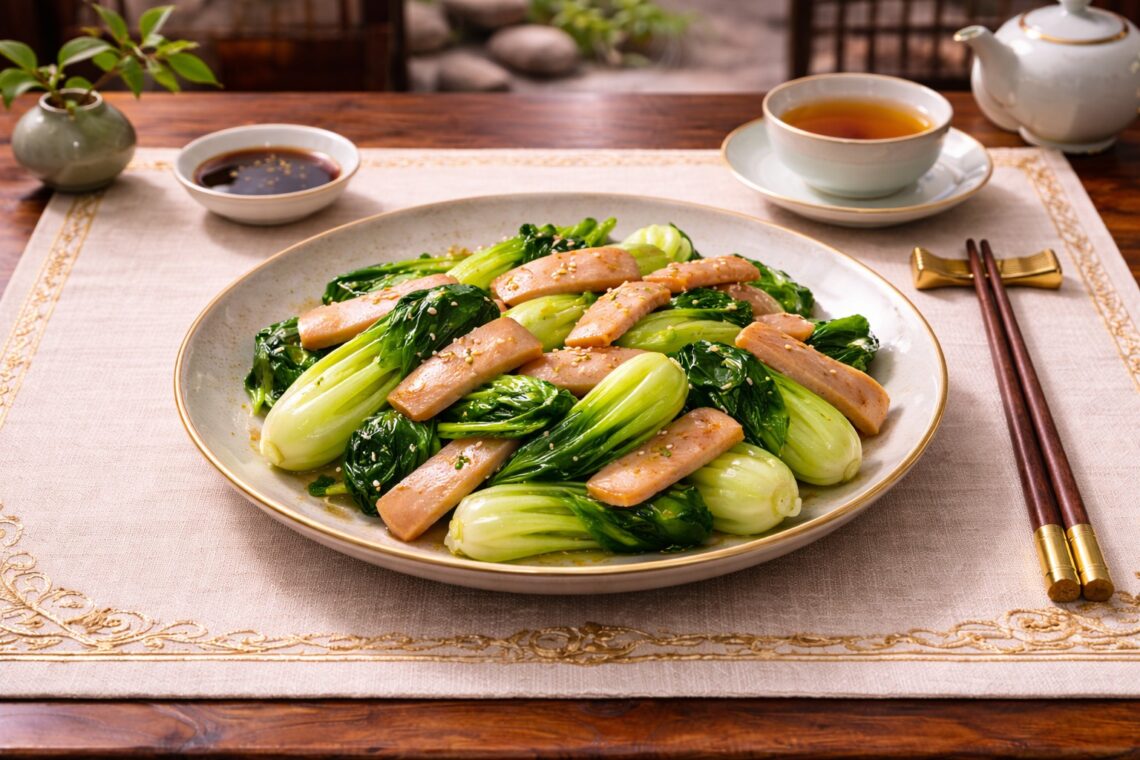
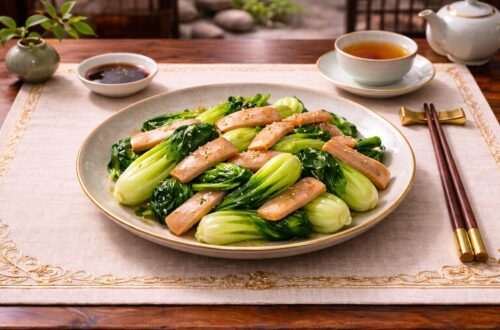
Weekly Buddhist Diet: Stir-Fried Baby Bok Choy with Vegetarian Ham
Weekly Buddhist Diet: Stir-Fried Baby Bok Choy with Vegetarian Ham 3th week of February 2026 Summary: Stir-Fried Baby Bok Choy with Vegetarian Ham is a fresh and flavorful plant-based stir-fry combining tender greens with savory vegetarian ham slices. The crisp texture of baby bok choy balances the slightly smoky, firm bite of vegetarian ham, creating a harmonious contrast of freshness and richness. Light seasoning enhances the natural flavors, making this dish simple yet satisfying. Baby bok choy is rich in vitamin C, calcium, and dietary fiber, supporting immunity and digestion. Vegetarian ham provides plant protein and a hearty texture without excess fat. Quick stir-frying preserves the vibrant green color and…
-
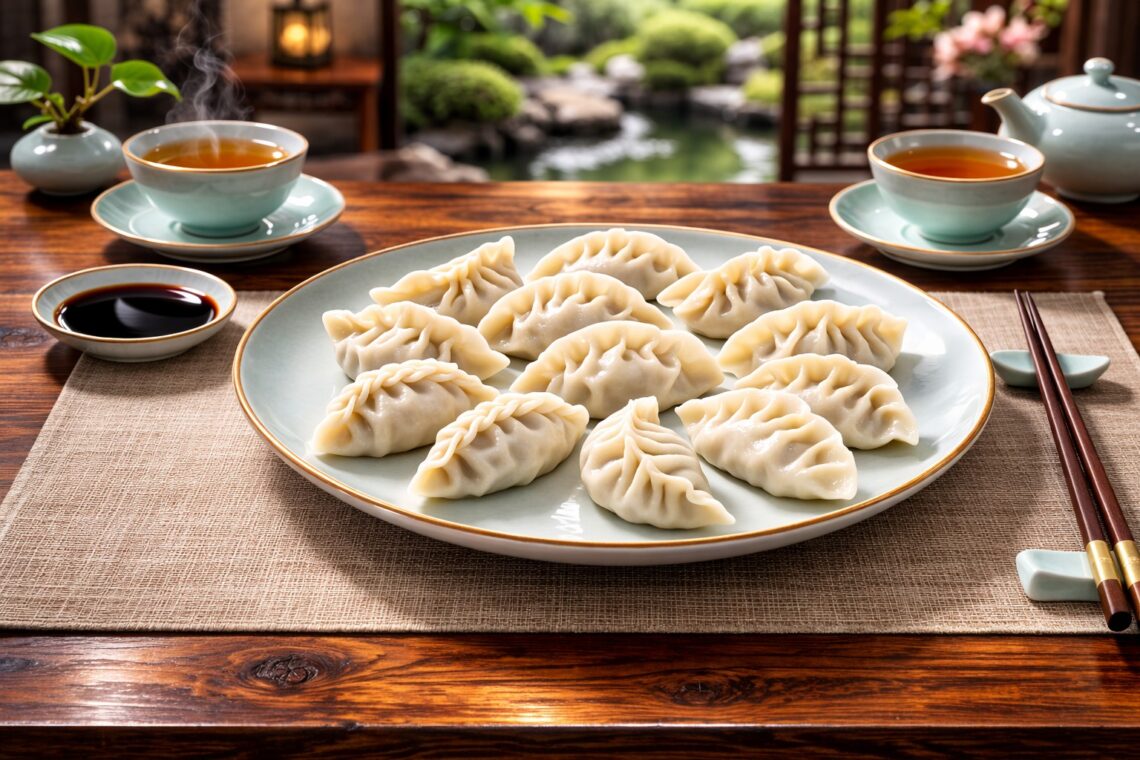
Weekly Buddhist Diet: Tea Tree Mushroom Vegetarian Dumplings
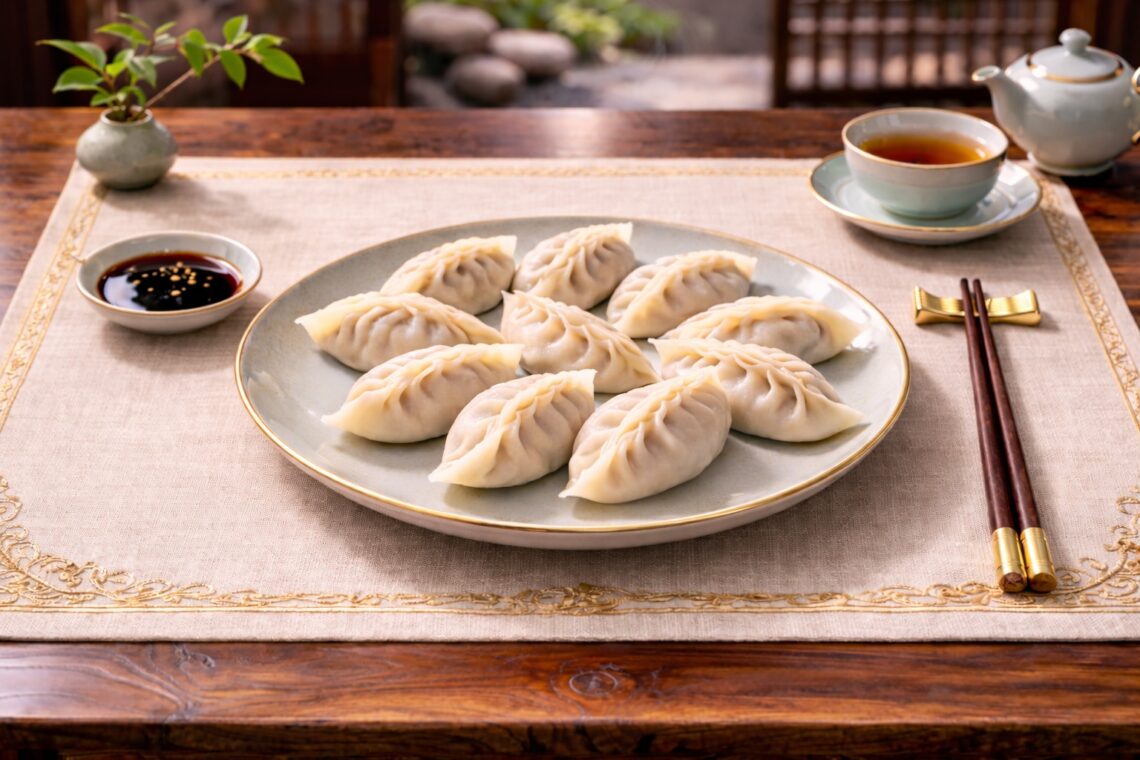
Weekly Buddhist Diet: Tea Tree Mushroom Vegetarian Dumplings Second week of February 2026 Summary: Tea Tree Mushroom Vegetarian Dumplings highlight the earthy aroma and firm texture of tea tree mushrooms combined with fresh vegetables. The mushrooms provide a chewy bite and deep natural umami, while carrots and cabbage balance the filling with sweetness and moisture. Wrapped in dumpling skins and boiled or steamed, these dumplings deliver satisfying flavor without heaviness. Tea tree mushrooms are rich in fiber, minerals, and plant-based nutrients that support digestion and immunity. Compared to traditional meat dumplings, this vegetarian version is lighter yet equally satisfying. Simple seasoning enhances the ingredients’ natural taste, making this dish perfect…
-
Dharma Rain Meditation Center
February 8, 2026 Post Views: 183
You May Also Like

Dharma Rain Meditation Center
-
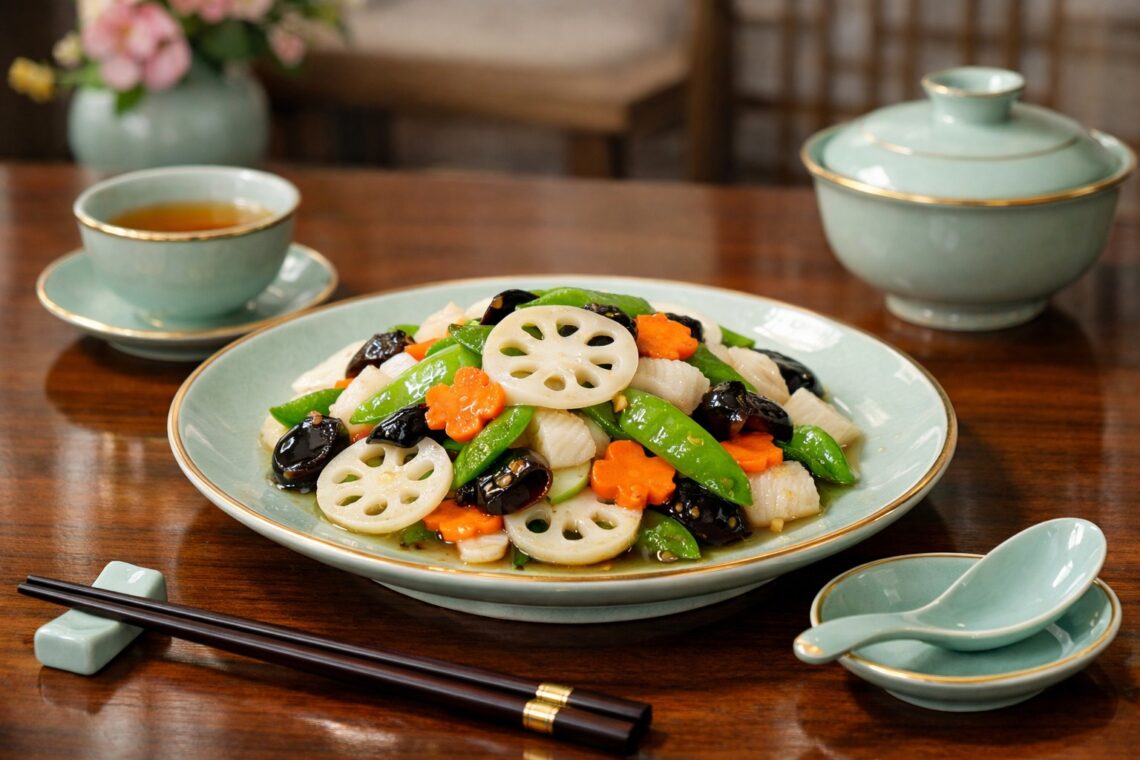
Weekly Buddhist Diet: Lotus Garden Stir-Fry
Weekly Buddhist Diet: Lotus Garden Stir-Fry The first week of February 2026 Summary: Lotus Garden Stir-Fry is a light and colorful vegetarian dish centered on crisp lotus root, complemented by carrots, snow peas, and wood ear mushrooms. The lotus root retains its crunchy texture after quick stir-frying, while carrots add natural sweetness and vibrant color. Wood ear mushrooms provide a chewy contrast, creating a harmonious balance of textures and flavors. Light seasoning allows the vegetables’ natural taste to shine. Nutritionally, lotus root is rich in fiber and vitamins that support digestion. Wood ear mushrooms contain minerals and beneficial plant compounds. The combination of various vegetables ensures a broad spectrum of…
-
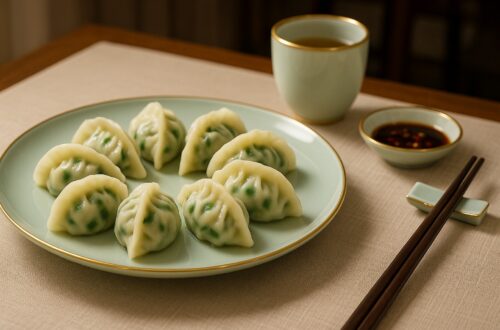
Weekly Buddhist Diet: Shiitake and Bok Choy Dumplings
Weekly Buddhist Diet: Shiitake and Bok Choy Dumplings Week 5 of January 2026 Summary: Shiitake and Bok Choy Dumplings are a comforting and nourishing vegetarian staple that combines the deep umami of shiitake mushrooms with the fresh, mildly sweet crunch of bok choy. Finely chopped mushrooms provide richness and aroma, while bok choy adds moisture and balance, resulting in a filling that is flavorful yet light. Wrapped in tender dumpling skins, these dumplings can be boiled, steamed, or pan-fried, making them versatile and satisfying for any meal. Nutritionally, shiitake mushrooms are rich in fiber, polysaccharides, and minerals that support immunity and digestion. Bok choy supplies vitamin C, calcium, and chlorophyll,…